
When buying a secondary plug and socket for a vacuum circuit breaker, a matching pin count is only the starting point. The purchase needs a defined mechanical interface, an agreed pin assignment and a clear supply scope. A connector that looks similar is not sufficient evidence that a replacement will work with the existing panel.
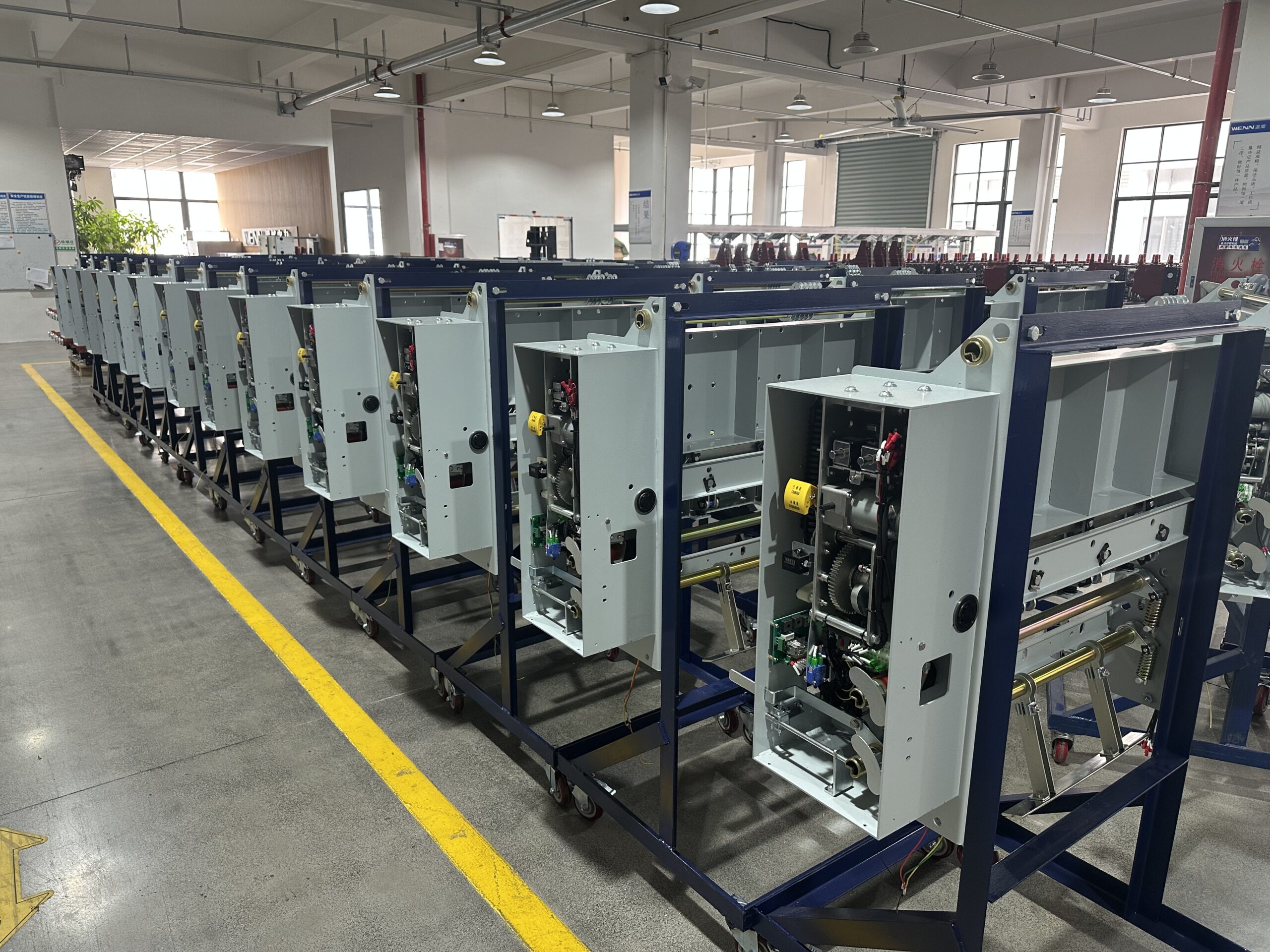
Start with the installed assembly
Record the circuit-breaker model, panel model and any connector identification. Photograph the plug and socket separately, including the mating faces, housing, mounting arrangement and cable entry. Keep the original photographs alongside the equipment drawing revision. For a replacement order, distinguish information read from the installed equipment from assumptions made from an online product photograph.
Request a pin-to-function schedule
Ask the panel builder and breaker supplier to agree a schedule that identifies each used pin, its circuit function, the corresponding wire label and the relevant drawing reference. Mark unused positions explicitly. For every circuit, request confirmation of the applicable voltage, AC or DC supply and component requirements from the offered equipment documentation.
As an example of model-specific documentation, ABB’s VD4G-50 manual includes a circuit diagram showing a 58-pole control wiring plug alongside the operating and indication circuits. That diagram illustrates why the connector must be reviewed as part of the circuit documentation; it is not an Enertro pinout or evidence of interchangeability.
Separate three checks before ordering
- Mechanical fit: ask the supplier to confirm the mating arrangement, keying, mounting dimensions, retention method and cable-entry requirements against the submitted drawings.
- Electrical assignment: compare the proposed pin schedule with the panel’s approved control schematic. Record any difference for engineering review rather than assuming the same pin number has the same function.
- Supply scope: specify whether the quotation covers the plug, socket, a complete pair, contacts, a wired harness or an unwired assembly. Identify which party supplies and checks the wiring.
What to include in your enquiry
Send the model references, quantity, mating-face photographs, dimensioned interface drawing, current control schematic and required supply scope. If a drawing is unavailable, say so. The supplier can identify the missing information before making a compatibility commitment. A quotation should list unresolved items instead of treating them as accepted.
For the project file, keep a short comparison record: the existing connector reference, the proposed connector reference, drawing revisions reviewed, differences identified and the person responsible for technical acceptance. This makes later revisions easier to track and reduces the risk of ordering from an outdated photo or drawing.
Frequently asked purchasing questions
Does “58-pin” mean a universal replacement? No. It identifies a pin count, not an approved mechanical and electrical match. Request confirmation for the particular assembly and wiring scheme.
Can a product photo confirm the wiring? A photo can help identify the physical assembly, but the project still needs the relevant pin assignment and control schematic.
Should a connector be selected from the breaker model name alone? Use the model name as an initial reference and submit the actual interface information. Treat compatibility as a documented review item before ordering.
Discuss your secondary connector requirement
View Enertro’s JZ-58 secondary plug and socket, or send your connector photographs and drawings for review. For signal definitions, see our VCB auxiliary-contact guide. Availability, electrical ratings and compatibility must be confirmed for the offered configuration.