How to Read a VCB Nameplate: Ratings That Matter
Read a vacuum circuit breaker nameplate correctly: breaking current vs short-time withstand, control voltage, mechanism type and the details needed for a replacement.

Read a vacuum circuit breaker nameplate correctly: breaking current vs short-time withstand, control voltage, mechanism type and the details needed for a replacement.
Earthing switches and disconnectors look similar on a drawing but have different duties, ratings and interlocks. Compare voltage, short-time current, making capacity and sequence.
Match vacuum circuit breaker spare parts by model, drawing and measured dimensions. Contacts, auxiliary switches, secondary plugs and mechanisms explained.
At 11 kV, vacuum and air circuit breakers are not interchangeable. Compare arc-quenching, voltage class, ratings, panel fit and switching duty before you specify.
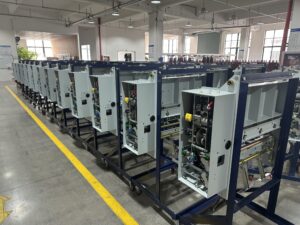

Check the mating interface, pin assignment and supply scope before ordering a VCB secondary plug and socket. Prepare photographs and drawings for review.
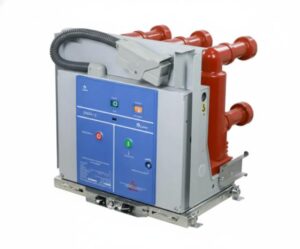
Specify VCB auxiliary contacts by signal meaning, drawing reference condition and contacts actually available to the project, with model-specific ratings and terminals.
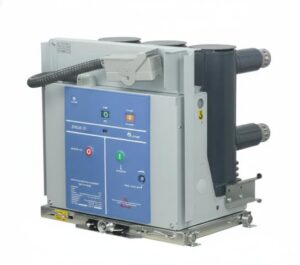
Specify the control circuit of a medium-voltage vacuum circuit breaker: trip and close coils, spring-charging motor, auxiliary contacts, interlocks and RFQ documents.
A practical vacuum switchgear selection guide covering rated voltage, current, short-circuit capacity, VCB configuration, protection, interlocking, control power and the information buyers should include in an RFQ.
A practical 35kV vacuum circuit breaker selection checklist covering 40.5kV rated voltage, current, breaking capacity, outdoor installation, controls, automation and RFQ details.
Choosing a 12 kV vacuum circuit breaker (VCB) is not only about matching the rated voltage. For switchgear manufacturers, EPC